Custom Cabinet Makers: What to Look for When Choosing Made-to-Order Cabinetry
Why Custom Cabinet Makers Matter in Modern Home Design
In today’s homes, cabinetry is no longer just about storage. It plays a critical role in defining layout, functionality, and overall interior style. This is why working with experienced custom cabinet makers has become increasingly important for homeowners, designers, and developers alike.
Unlike mass-produced cabinets, custom cabinetry is designed to fit specific spaces, user habits, and aesthetic preferences. The quality of the final result depends heavily on the cabinet maker’s design capability, manufacturing standards, and understanding of real-world usage.

What Defines a Professional Custom Cabinet Maker?
Not all cabinet makers offer the same level of expertise. A professional custom cabinet maker combines design knowledge, production experience, and quality control into a seamless process.
Key characteristics often include:
- Ability to customize cabinet dimensions and internal layouts
- Experience with different materials and finishes
- Clear production standards and quality consistency
- Understanding of functional storage design
Reliable bespoke cabinet makers focus not only on how cabinets look, but also on how they perform over time.
Custom Cabinet Manufacturing vs. Standard Cabinet Production
One of the main differences between custom cabinet makers and standard cabinet suppliers lies in flexibility. Standard cabinets are produced in fixed sizes and configurations, often resulting in wasted space or awkward layouts.
Custom cabinet manufacturing, on the other hand, allows for:
- Precise sizing for irregular or compact spaces
- Tailored internal storage based on lifestyle needs
- Better integration with appliances and architecture
- Higher material and hardware customization options
This made-to-order approach is especially valuable in kitchens, wardrobes, and storage-intensive areas.
Materials and Craftsmanship: What to Pay Attention To
When evaluating custom cabinet makers, materials and construction methods deserve close attention. Quality cabinetry depends on both visible finishes and internal structure.
- Panel materials: Plywood, MDF, or engineered boards should meet durability and moisture-resistance standards.
- Edge finishing: Clean, sealed edges improve both appearance and longevity.
- Hardware: Drawer slides, hinges, and connectors affect daily usability and lifespan.
- Surface finishes: Paint, veneer, laminate, or lacquer should be applied evenly and consistently.
Experienced manufacturers usually have standardized quality controls to ensure consistency across projects.
The Role of Design Support in Custom Cabinet Projects
A strong design process is one of the most overlooked aspects when choosing a cabinet maker. Good custom cabinet makers provide design guidance that helps clients avoid common mistakes, such as inefficient layouts or impractical storage configurations.
Design support often includes:
- Layout planning based on room dimensions
- Internal storage zoning recommendations
- Material and finish coordination with interiors
- Visualization tools such as drawings or 3D renderings
This collaborative approach leads to cabinetry that functions well in real daily use.
Scale, Experience, and Production Capability
Custom cabinet makers range from small workshops to large-scale manufacturers. While smaller makers may offer handcrafted appeal, larger manufacturers often provide better consistency, shorter lead times, and scalable production.
Some established companies, such as Goldenhome, operate large manufacturing facilities while still offering customized cabinet solutions. In these cases, standardized production systems help maintain quality while allowing flexibility in design—an important balance for larger residential or multi-unit projects.

Custom Cabinets for Different Applications
Custom cabinet makers typically serve a variety of applications beyond kitchens:
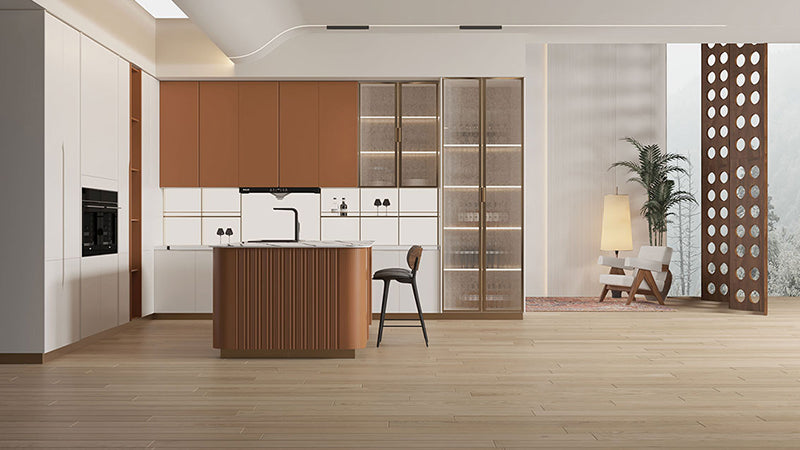
- Kitchen cabinets: Layout-driven storage, appliance integration, and durability are key priorities.
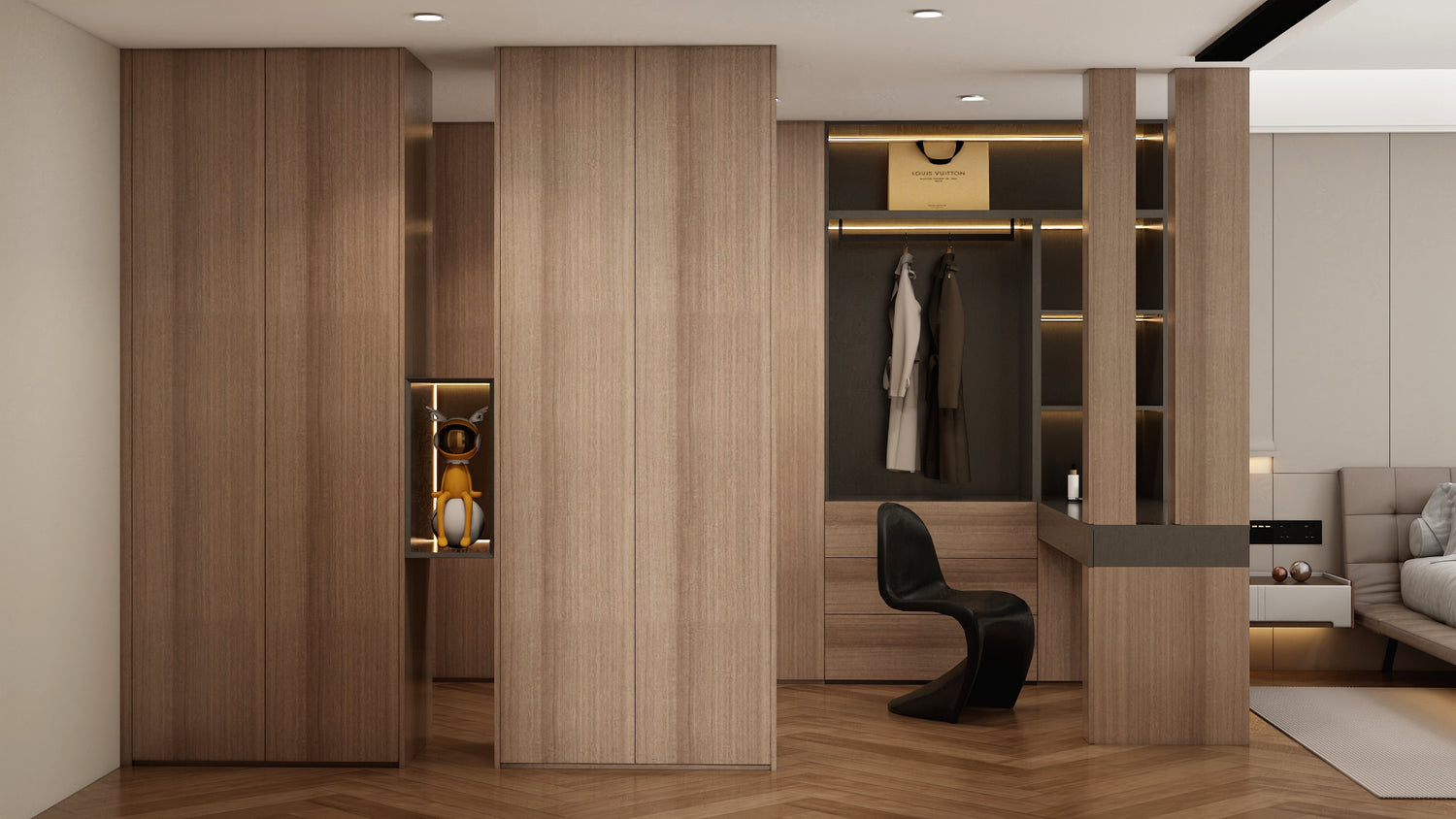
- Wardrobes: Internal organization, flexibility, and space efficiency matter most.
- Bathroom cabinets: Moisture resistance and compact design are essential.
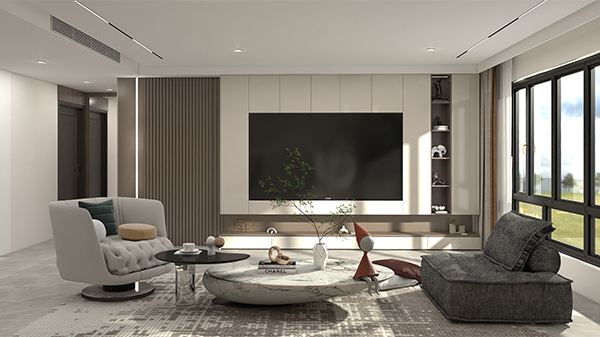
- Living area storage: A balance of display and concealed storage improves aesthetics.
Choosing a cabinet maker with experience across these applications often results in better overall design outcomes.
How to Evaluate Custom Cabinet Makers Before Committing
Before selecting a cabinet maker, it’s helpful to evaluate several practical factors:
- Review completed projects or case studies
- Ask about material sourcing and quality standards
- Understand lead times and production capacity
- Clarify customization limits and design support
The goal is to find a partner who understands both design intent and manufacturing execution.
Conclusion: Choosing the Right Custom Cabinet Maker
Working with the right custom cabinet makers can significantly improve both the functionality and longevity of your cabinetry. Beyond aesthetics, thoughtful design, quality materials, and reliable manufacturing processes determine whether custom cabinets truly meet everyday needs.
Whether collaborating with independent workshops or established manufacturers like Goldenhome, the key is choosing a cabinet maker that prioritizes precision, usability, and long-term value over short-term trends.