Custom Kitchen Cabinet Designs vs Stock Cabinets: Making the Right Design Choice
Why Cabinet Choice Impacts the Entire Kitchen Experience
When planning a kitchen renovation, one of the most important decisions involves cabinet selection. Kitchen cabinet designs define not only the visual style of the space but also how efficiently it functions every day. A common question many homeowners face is whether to choose custom kitchen cabinet designs or standard stock cabinets.
Each option offers distinct advantages, and understanding their differences helps avoid regret later in the project.

What Are Stock Kitchen Cabinets?
Stock cabinets are pre-manufactured units produced in standard sizes and configurations. They are widely available and often chosen for their convenience and shorter lead times.
Advantages of Stock Cabinets
- Lower upfront cost
- Faster availability
- Simple selection process
Limitations of Stock Cabinets
Because stock cabinets follow fixed dimensions, they may not fully utilize available space. Gaps, filler panels, and limited storage customization are common trade-offs.
What Defines Custom Kitchen Cabinet Designs?
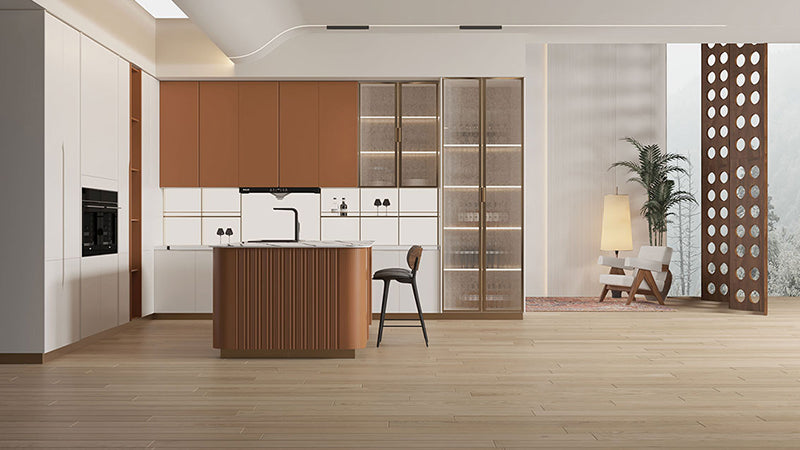
Custom kitchen cabinet designs are tailored to the specific dimensions, layout, and storage needs of a kitchen. Every detail—from cabinet size to internal configuration—is designed around the user and space.
Key Benefits of Custom Cabinet Designs
- Precise fit with minimal wasted space
- Flexible storage solutions based on lifestyle
- Greater design freedom in finishes and layouts
Customization allows cabinets to adapt to the kitchen, rather than forcing the kitchen to adapt to the cabinets.
Design Flexibility: A Clear Difference
Design flexibility is where custom cabinets clearly stand out. Unique layouts, irregular room shapes, and specific storage needs are difficult to address with stock options.
Custom kitchen cabinet designs allow designers to adjust proportions, align cabinet heights, and integrate appliances seamlessly into the overall design.
Storage Efficiency and Daily Usability
Storage performance often becomes the deciding factor after installation. Kitchens with custom-designed cabinets tend to feel more organized because storage is planned intentionally.
How Custom Cabinets Improve Storage
- Drawer-based base cabinets instead of fixed shelves
- Tailored pantry and corner solutions
- Optimized cabinet depths and heights
These details may seem minor but have a significant impact on daily comfort.
Cost Considerations Beyond the Initial Price
Stock cabinets typically cost less upfront, which makes them attractive for budget-driven projects. However, long-term value should also be considered.
Custom kitchen cabinet designs often reduce the need for future modifications, improve durability, and increase satisfaction over time.
Lead Time and Project Planning
Stock cabinets are often available quickly, making them suitable for tight timelines. Custom cabinets require longer planning and production time but offer greater control over the final outcome.
The right choice depends on project priorities rather than speed alone.
Which Option Works Best for Different Kitchens?
Small or Irregular Kitchens
Custom cabinets are usually the better choice because they maximize every inch of space and adapt to unique layouts.
Standard Layouts and Rental Properties
Stock cabinets may be sufficient when flexibility and long-term personalization are less critical.
Long-Term Homes
For primary residences, custom kitchen cabinet designs often provide better comfort, storage efficiency, and satisfaction over time.

The Role of Manufacturing Quality
Regardless of cabinet type, manufacturing quality affects performance and durability. Cabinet systems that combine customization with controlled production processes help ensure consistent results.
Manufacturers such as goldenhome support this balance by offering flexible cabinet designs within standardized quality frameworks.
Making a Decision Based on How You Live
Choosing between custom kitchen cabinet designs and stock cabinets is ultimately about lifestyle, space, and long-term expectations.
By considering how the kitchen will be used daily, homeowners and professionals can select cabinet designs that deliver both visual appeal and lasting functionality.