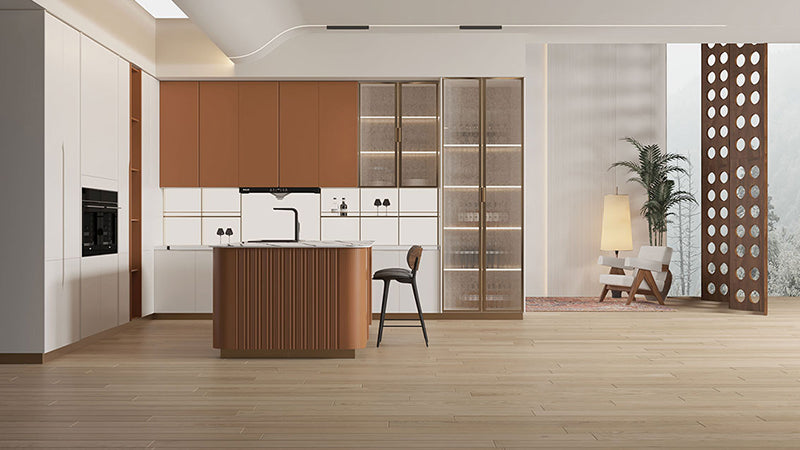
Walk In Corner Pantry Design Mistakes (and How to Avoid Them)
Why Walk In Corner Pantries Often Underperform
A walk in corner pantry is often seen as a premium kitchen feature, yet many fail to deliver their full potential. The issue is rarely the concept itself—it is usually the result of overlooked design details.
Understanding common pantry planning errors helps homeowners, designers, and developers avoid costly adjustments and long-term frustration.

Mistake 1: Shelves That Are Too Deep
One of the most frequent walk in pantry design mistakes is installing overly deep shelves. While deep shelving appears to increase capacity, it often reduces usability.
- Items get lost at the back
- Expired food is easily forgotten
- Access becomes inconvenient
Better solution: Use shallower shelves with pull-out baskets or drawers to maintain visibility and access.
Mistake 2: Narrow Walkways Inside the Pantry
A walk-in pantry should feel comfortable to use. Narrow walkways are a common corner pantry problem, especially in compact kitchens.
When shelving encroaches too far into the walking space, movement becomes restricted and the pantry feels cramped.
Better solution: Prioritize clear circulation space and limit shelving depth to maintain ease of movement.
Mistake 3: Poor Lighting and Visibility
Insufficient lighting can make even a large pantry feel impractical. Dark corners reduce visibility and discourage proper organization.
This is one of the most overlooked pantry layout mistakes to avoid.
Better solution: Install LED ceiling lights or shelf-integrated lighting to ensure consistent illumination throughout the space.
Mistake 4: No Clear Organization Zones
Without defined zones, pantries quickly become cluttered. Mixing snacks, appliances, bulk goods, and cleaning items creates confusion and inefficiency.
Better solution: Divide the pantry into functional zones based on usage frequency and item type.
- Daily-use food items
- Bulk storage
- Small appliances
- Household supplies
Mistake 5: Ignoring Ventilation Needs
Enclosed pantries without ventilation can trap moisture and heat, potentially affecting food quality.
This issue is especially common in tightly sealed walk in corner pantry designs.
Better solution: Incorporate passive ventilation or airflow gaps to maintain a stable environment.
Mistake 6: Poor Door and Entry Planning
The pantry entrance directly impacts kitchen flow. Doors that swing into busy areas or block pathways can disrupt movement.
Better solution: Use pocket doors, sliding doors, or concealed entries that align with the kitchen’s layout.
Mistake 7: Designing Only for Current Needs
Many pantries are designed around current habits without considering future changes. As households grow or lifestyles shift, storage needs evolve.
Better solution: Use adjustable shelving and modular components that allow the pantry to adapt over time.
Mistake 8: Treating the Pantry as an Afterthought
Pantries planned late in the design process often suffer from awkward layouts and inefficient storage.
A walk in corner pantry should be integrated into the overall kitchen plan from the beginning to ensure seamless functionality.

How to Design a Walk In Corner Pantry That Works Long-Term
Avoiding these common mistakes leads to a pantry that remains practical and organized. Key priorities include:
- Balanced shelf depth and spacing
- Comfortable circulation areas
- Good lighting and ventilation
- Flexible storage systems
Conclusion: Smart Planning Prevents Costly Mistakes
A well-designed walk in corner pantry enhances kitchen efficiency and storage comfort. Most issues arise not from space limitations, but from overlooked design details.
By identifying and avoiding common design mistakes early, homeowners and professionals can create pantry spaces that perform reliably and adapt to changing needs over time.